Mac-Graf Producent opakowańMac-Graf Producent opakowań
  • Products
    • Polyethylene foam
      • Polyethylene foam (PE)
      • Polyethylene foam laminate
      • Fittings and inserts made of PE/XPE foam
      • Profiles
    • Foils and films
      • Bubble wrap
      • Bubble wrap bags
      • Fill & Wrap bubble wrap
      • Poly bubble mailers
      • Self-adhesive bubble wrap
      • Stretch film
      • Polyethylene foil
    • Cardboard and paper
      • Corrugated cardboard
      • Packing paper 
      • Cardboard boxes
      • Corner guards
      • Honeycomb Paper Wrap
    • Tapes
      • Banding tapes
      • Repair and fixing tapes
      • Masking tapes
      • Self-adhesive tapes
      • Specialist tapes
    • Packaging equipment
      • Semi-automatic stretch wrapper
      • Cordless Strapping Tool
    • Fillers
      • Skropak – packing peanuts
      • Wood wool
    • Polythene Mailing bags
    • Accessories
    • Fasteners
      • Wire buckles
      • PET buckles
  • Industries
    • Automotive industry
    • Construction industry
    • E-commerce industry
    • Electronics industry
    • Fenestration industry
    • Food industry
    • Furniture industry
    • Lighting industry
    • Sanitary ceramics
  • About us 
    • Discover Case Studies
  • Product Catalogue
  • Blog
  • Contact
  • English
    • English
    • Polski
    • Deutsch
Receive a quote
Masking tapes

Call us

+48 603 234 399

Mac-Graf Producent opakowańMac-Graf Producent opakowań
Receive a quote
  • Products
    • Polyethylene foam
      • Polyethylene foam (PE)
      • Polyethylene foam laminate
      • Fittings and inserts made of PE/XPE foam
      • Profiles
    • Foils and films
      • Bubble wrap
      • Bubble wrap bags
      • Fill & Wrap bubble wrap
      • Poly bubble mailers
      • Self-adhesive bubble wrap
      • Stretch film
      • Polyethylene foil
    • Cardboard and paper
      • Corrugated cardboard
      • Packing paper 
      • Cardboard boxes
      • Corner guards
      • Honeycomb Paper Wrap
    • Tapes
      • Banding tapes
      • Repair and fixing tapes
      • Masking tapes
      • Self-adhesive tapes
      • Specialist tapes
    • Packaging equipment
      • Semi-automatic stretch wrapper
      • Cordless Strapping Tool
    • Fillers
      • Skropak – packing peanuts
      • Wood wool
    • Polythene Mailing bags
    • Accessories
    • Fasteners
      • Wire buckles
      • PET buckles
  • Industries
    • Automotive industry
    • Construction industry
    • E-commerce industry
    • Electronics industry
    • Fenestration industry
    • Food industry
    • Furniture industry
    • Lighting industry
    • Sanitary ceramics
  • About us 
    • Discover Case Studies
  • Product Catalogue
  • Blog
  • Contact
  • English
    • English
    • Polski
    • Deutsch

MASKING TAPES

Masking tape – properties

Masking tape, commonly also known as painter’s tape, is a type of adhesive tape whose primary function is the temporary protection of surfaces. Its construction may seem simple, but it is a well-balanced solution – it consists of a thin, flexible backing, most often made of paper, coated with a low-tack adhesive. Its main purpose is to create clean, precise paint lines during painting, as well as to protect areas from unwanted contamination such as paint, dust, or debris.

What distinguishes masking tape from other types of tapes is its balance between adhesive strength and ease of removal. While typical adhesive or packaging tapes are designed for maximum, long-term adhesion, masking tape deliberately operates at a lower level of adhesion (so-called low-tack). This intentional design choice allows for easy unwinding, hand tearing, and, most importantly, removal without damaging the surface or leaving sticky residue.
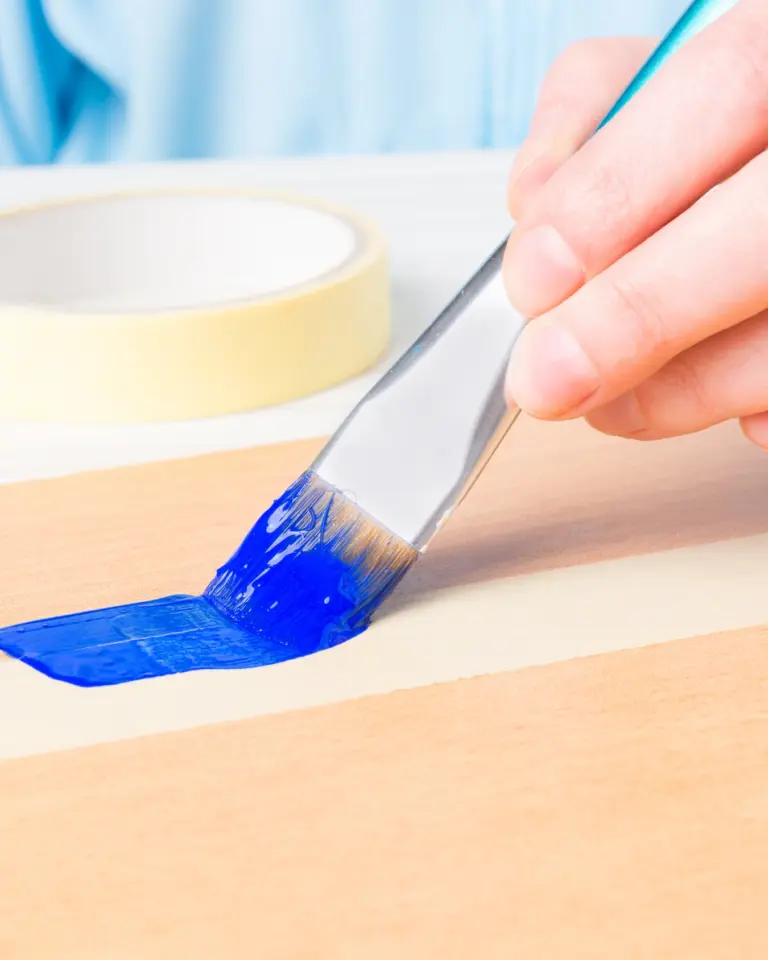
One of the example products in our range:

  • tesa® 4323 – a lightly creped paper masking tape with a natural rubber adhesive
  • Backing material:
  • Lightly creped paper
  • Type of adhesive:
  • Natural rubber adhesive system with good adhesion to many surfaces and good tack
  • Color:
  • Yellow
  • Sustainability aspects:
  • 57% bio-based content in the total product (excluding the liner, by weight)

Some applications of tesa® 4323:

  • The masking tape provides excellent paint adhesion, making it suitable for light spray painting applications.
  • The tape is suitable for general use: surface protection, bonding, sealing, fixing, and sealing light packaging, etc.
Ask for an offer for masking tape
After submitting the form, our sales advisor will contact you within a maximum of 24 hours, answer all your questions, and prepare a tailored offer.


    As a manufacturer and distributor we sell products in wholesale quantities. We do not process retail orders.

    Manufacturer

    How did you hear about us?


    Masking tape for delicate surfaces vs. tape for powder coating

    The right combination of backing and adhesive allows for the creation of a product with precisely defined properties. For example, masking tape for delicate surfaces combines Japanese paper (washi) with a low-adhesion acrylic adhesive, while tape for powder coating requires a polyester (PET) backing paired with a heat-resistant silicone adhesive. This subtle yet crucial material relationship makes it possible to tailor the tape to specific, often extreme application requirements.

    Masking tapes
    Backing materialKey propertiesTypical applications
    PaperEasy hand tearing, good conformability, cost-effective, single-useGeneral painting, labeling, DIY, packaging of light items
    Film (PVC, PET)Higher strength, resistance to moisture, UV, chemicals, high temperaturesPowder coating, painting, outdoor applications, industrial use
    Polyimide (Kapton®)Extreme temperature and fire resistance, residue-free removalElectronics (PCB masking), aerospace, electroplating
    Fabric / FoamHigh tensile strength, abrasion resistance, thickness, flexibilitySealing, surface protection in construction, automotive applications
    Metal foilResistance to extreme temperatures, UV, moisture; conductive propertiesSoldering, radiation shielding, electrical work

    Applications of masking tapes

    Contrary to common belief, masking tape is not a uniform product. There is a clear hierarchy of functionality, ranging from general-purpose tapes to highly specialized solutions optimized for specific conditions and applications. Choosing the right tape determines the success of a project and is key to achieving professional results.

    Painting and DIY tapes

    This segment of the market includes products intended for painters and decorators.

    • General-purpose masking tape – the most popular and commonly used type, usually identified by its blue or beige color. It features moderate adhesion, allowing for clean and easy removal within 24 hours of application. It is ideal for simple projects on smooth surfaces such as walls, trims, glass, or metal.
    • Masking tape for delicate surfaces – designed with the lowest level of adhesion. It is an ideal solution for use on freshly painted walls, wallpaper, plaster, or frescoes, where the risk of surface damage is highest.
    • Masking tape for outdoor applications – characterized by increased resistance to UV radiation and moisture. It can be left on the surface for a longer period (up to 14 days) without the risk of adhesive degradation due to sunlight exposure or leaving residue.
    • Masking tape for rough surfaces – features high adhesion, designed to bond to irregular and porous substrates such as concrete, brick, or decorative plaster.
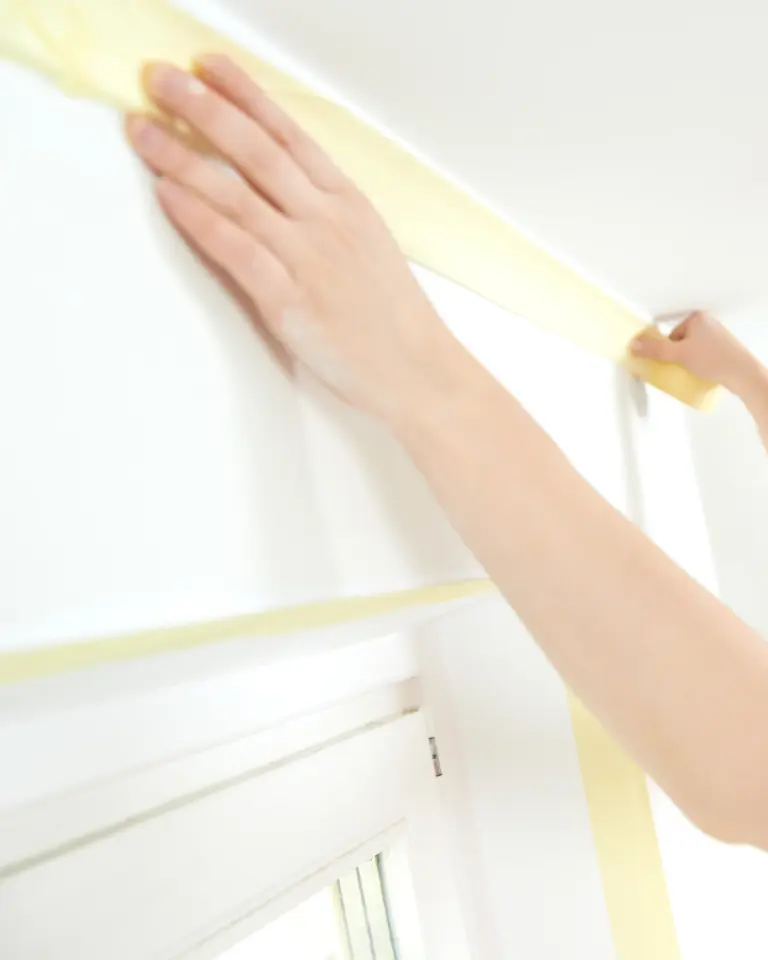
    a woman applying masking tape to a wall
    READ ALSO: Packaging and safety materials for the construction industryt
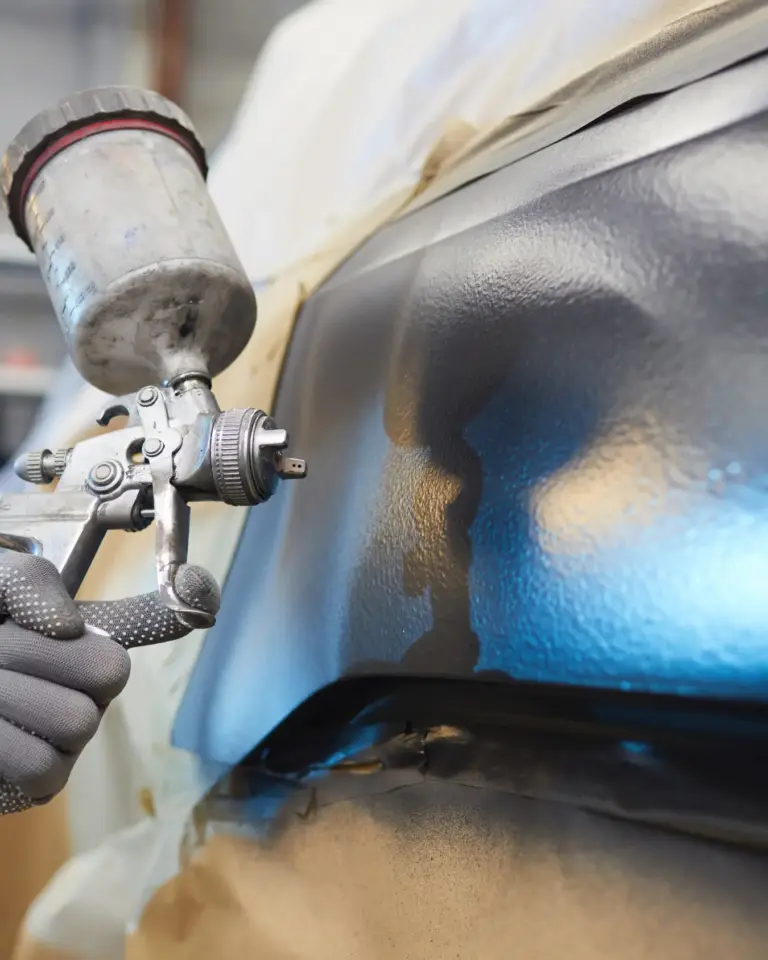
    car painting equipment in use

    Automotive industry – precision and resistance to extreme conditions

    In automotive painting, the requirements for masking tapes are significantly higher. Resistance to high temperatures is crucial, as the tape must withstand drying cycles in paint ovens (up to 120°C for 60 minutes).

    • Automotive masking tape – a high-temperature tape that must adhere firmly to metal car bodies and curved surfaces, while still allowing clean, residue-free removal after paint curing. It offers better adhesion and higher tensile strength than general-purpose tapes.
    • Fine line tape – used to create precise lines and patterns, for example in two-tone painting or stripe applications.
    READ ALSO: Packaging for the automotive industry

    Industry and manufacturing

    In industrial production, masking tapes are indispensable in processes where it is necessary to protect selected areas from exposure to extreme chemical, thermal, or physical conditions.

    • Powder coating – in this process, the tape must withstand temperatures reaching several hundred degrees Celsius. Specialized tapes with polyester or polyimide backings and silicone adhesive are used, as they do not melt or leave residue after paint curing.
    • Electronics – in the production of printed circuit boards (PCBs), tapes are used to mask sensitive areas (e.g. “gold fingers” during wave soldering) and to prevent the buildup of electrostatic discharge (ESD). Polyimide tapes with silicone adhesive are used here, as they are resistant to high temperatures, have dielectric properties, and leave no residue.
    • Sandblasting and electroplating – in these processes, the tape must be resistant to abrasion, impact, and aggressive chemicals. Tapes with PVC or rubber backings are used, providing the necessary protection.
    a production hall where a man and a woman wearing yellow helmets are walking and talking

    It is clear that choosing the right tape goes beyond the simple function of “masking.” Each specialized tape is designed to meet the unique challenges of the working environment – from UV resistance, through extreme temperatures in paint ovens, to aggressive chemicals. This distinction is crucial for professionals and makes it possible to achieve the desired results where general-purpose tapes would not be sufficient.

    Frequently asked questions (FAQ)

    How to remove adhesive residue after removing tape?

    Depending on the surface, several proven methods can be used:

    Applying heat – a hair dryer or a heat gun set to low power will soften the adhesive, making it easier to remove. Work in sections and proceed carefully to avoid damaging the surface.

    Using solvents – on non-porous surfaces such as glass or metal, isopropyl alcohol or acetone will be effective. For finished wooden floors, you can try vegetable oil or olive oil to dissolve the adhesive. Before using any substance, it is essential to test it on an inconspicuous area to ensure it does not damage the surface.

    What should you do if the tape is not adhering to the surface?

    Adhesion problems are most often caused by improper surface preparation. Contaminants such as dust, dirt, grease, wax, or moisture create a barrier that prevents the adhesive from bonding properly to the surface. Another factor may be low ambient or tape temperature, which can make the adhesive brittle and reduce its performance. Insufficient pressure after application can also result in poor adhesion.

    How to fix it?

    • Thoroughly clean and dry the surface before applying the tape.
    • Work within the recommended temperature range, typically between 18–24°C. If this is not possible, warm both the tape and the surface before application.
    • Always apply firm pressure after application, using a spatula or roller.

    What should you do if the tape tears during removal or pulls off paint?

    This issue results from incorrect timing or technique when removing the tape. Removing the tape while the paint is still too wet can cause the backing to tear and the paint to bleed beyond the masked area. On the other hand, leaving the tape on for too long—until the paint fully cures and bonds with the tape edge—can cause flakes of fresh paint to peel off along with the tape.

    How to fix it?

    • Proper timing – remove the tape when the paint is dry to the touch but not fully cured. For most paints, this means removing it shortly after finishing the job.
    • Proper technique – remove the tape slowly, pulling it away from the painted surface at a 45-degree angle. On particularly delicate surfaces, you can score the paint edge beforehand with a sharp knife or spatula.
    Mac-Graf Producent opakowań

    Tax ID: 5542933469
    Regon: 363174032
    KRS: 0000989133

    More
    Contact
    • Office hours: 8:00 a.m. - 4:00 p.m.
    • kom: 603 234 399
    • e-mail: macgraf@mac-graf.com.pl
    • Headquarters: ul. Bydgoskich Przemysłowców 21 85-862 Bydgoszcz
    Product Catalog 2025

    Polyethylene foam
    Polyethylene foil
    Bubble wrap
    Stretch film
    Profiles
    Corner guards
    Banding tape

    Adhesive tape
    Specialist tapes
    Corrugated cardboard
    Packing paper
    Cardboard boxes
    Fasteners
    Accessories

    Shortcuts

    About us
    News
    Contact
    Privacy policy
    Conditions of Sale
    Career
    Certificates

    Facebook Linkedin

    Tax ID: 5542933469
    Regon: 363174032
    KRS: 0000590271

    More
    Contact
    • Office hours: 8:00 a.m. - 4:00 p.m.
    • kom: 603 234 399
    • e-mail: macgraf@mac-graf.com.pl
    • Headquarters: ul. Bydgoskich Przemysłowców 21 85-862 Bydgoszcz
    Products

    Polyethylene foam
    Polyethylene foil
    Bubble wrap
    Stretch film
    Profiles
    Corner guards
    Banding tape

    Adhesive tape
    Specialist tapes
    Corrugated cardboard
    Packing paper
    Cardboard boxes
    Fasteners
    Accessories

    Shortcuts

    About us
    News
    Contact
    Privacy policy
    Conditions of Sale
    Career
    Download files 

    Facebook Linkedin

    Tax ID: 5542933469
    Regon: 363174032
    KRS: 0000590271

    More